




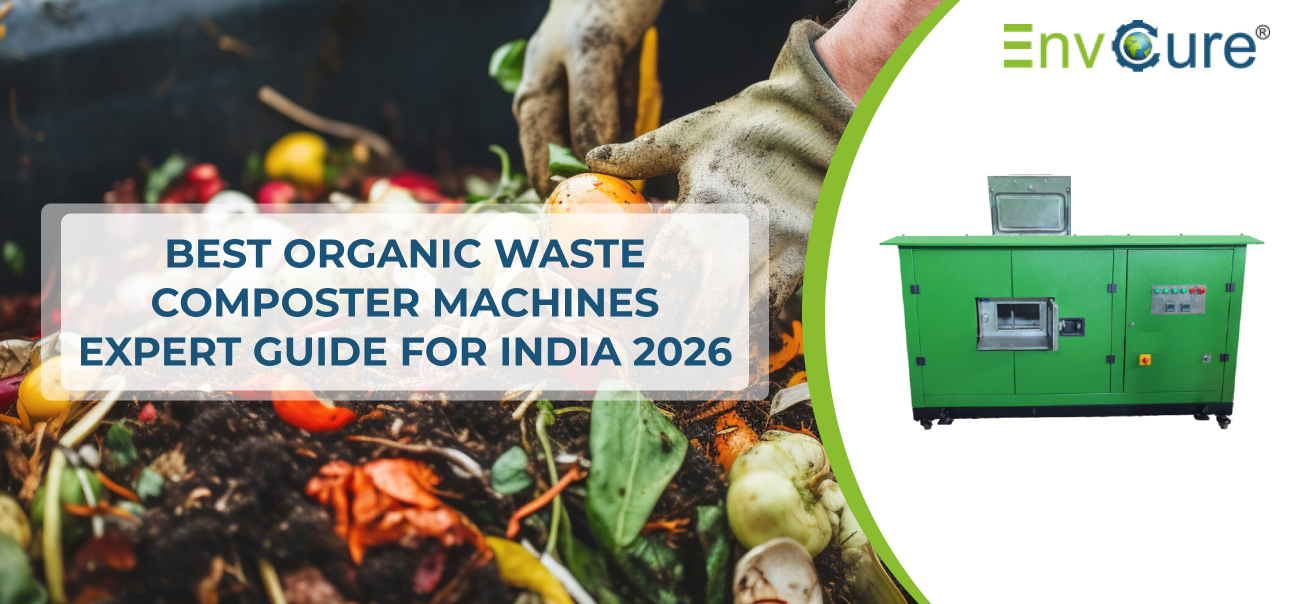

As the burden of municipal solid waste grows, so does the need for more efficient, automated solutions that require identifying the ideal Organic Waste Composter Machine for institutional and municipality needs.
In this expert guide we discuss the most important aspects of technology for the best Organic Waste Composter for your needs and compare Organic Waste Composting Machine options and discuss the importance of pre-processor equipment.
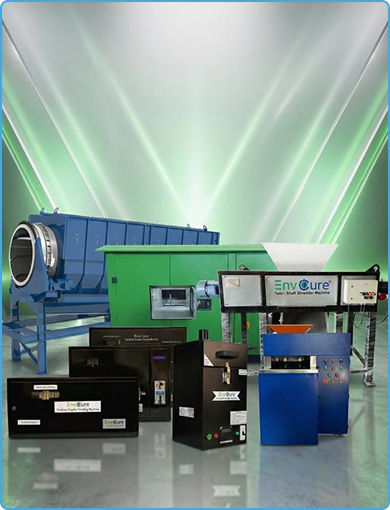
The integration of high-quality industrial shredders with current day composting units provides the most productive means to maximize waste processing and offer the best means to divert landfill waste for India in 2026.
Overview: Organic Waste Composter Machines
- Organic Waste Composter will be the new way of managing waste in an efficient manner for India, providing an alternative to the rapidly filling landfills.
- New technologies (referred to as Organic Waste Convertor Machines) have the capability to process up to hundreds of kilograms of waste per day to create useful fertilizers through composting processes.
- For successful composting processes to occur, pre-processors such as industrial shredders are needed to cut the materials into smaller pieces to allow for faster and more complete decomposition.
- The key items to consider when purchasing an Organic Waste Composter are: machine capacity, the degree of automation, total cost of ownership (energy costs), and having a reputable manufacturer/ provider of industrial shredders and composting equipment available for long-term service support like EnvCure Technocrat LLP.
What is an Organic Waste Composter Machine?
The primary purpose of an Organic Waste Composter is to accelerate the natural biological process of decomposition through control of temperature, moisture, and oxygen (air) to decompose what takes months in an open pit in a few days inside a controlled environment. A general distinction exists between two interchangeable terms:
- Organic Waste Composter: Any machine that breaks down organic material into compost is generally called a composter.
- Organic Waste Converter Machine (OWC): This is a term used for the conversion of waste to a useful resource (compost) within 24-48 hours. They usually are very automated and only minimal human intervention is required.
- Organic Waste Compost Machine: Composting is a basic functional description for the machines that convert organic waste into a compost product.
When we refer to an advanced organic waste composter in this guide, we mean the high-efficiency OWC systems that are the standard for 2026. These systems usually employ bio-culture accelerators and/or mechanical mixers for achieving homogenous and fast composting, delivering high quality mature organic waste compost suitable for agricultural or landscaping application.
If you’re planning to invest in an organic waste solution, this detailed guide on organic waste composter buying tips from leading manufacturers explains what features and specifications truly matter.
Types of Organic Waste Composter Machines: Finding the Right Design
Although the ultimate goal of all these machines is to convert raw organic waste into a product which has been processed into a fertilizer, the way in which they achieve this objective determines the type of machine needed:
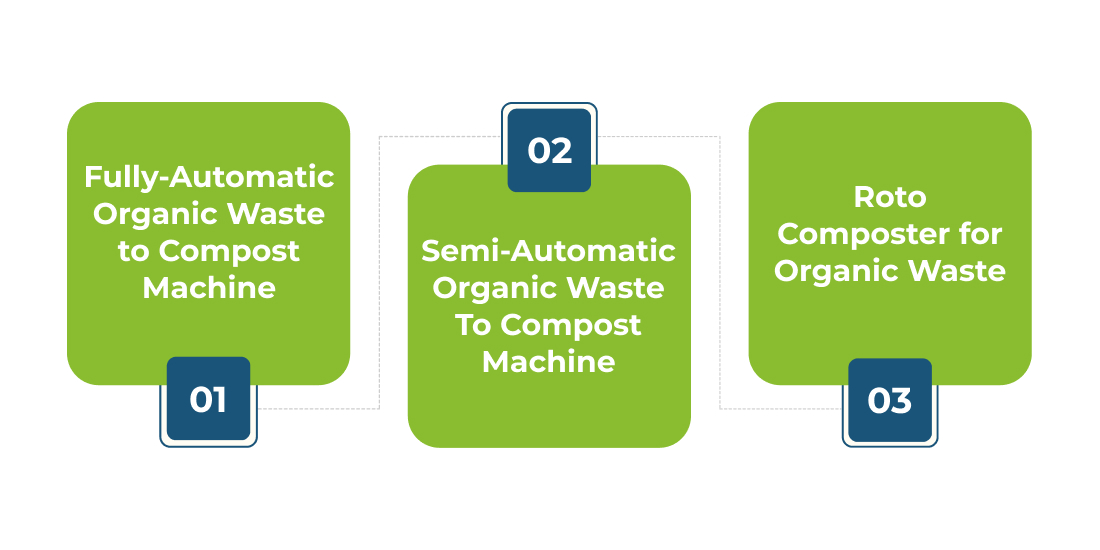
1. Fully-Automatic Organic Waste to Compost Machine
Fully-Automatic compost machines represent the most advanced organic waste converter machine in terms of technology. The purpose of these machines is to provide high volume disposal of organic waste by those who generate large volumes of organic waste, such as large municipal or airport operations or large corporate campuses. The operation of all stages of processing from receiving and mixing to aeration, temperature control and finally discharging with the least amount of human intervention possible.
2. Semi-Automatic Organic Waste To Compost Machine
Provides an economical alternative to fully automatic systems. The semi-automatic systems usually have automated mixing, heating and aeration but may also have manual loading, longer curing time or another manual step for bulking agents addition. The semi-automatic organic waste composting machine is the most appropriate choice for larger, mid-sized companies such as hotels, residential developments, and schools requiring large amounts of Organic Waste Conversion capabilities without the associated financial burden of purchasing a complete OWC.
3. Roto Composter for Organic Waste
The Organic Waste Rotating Drum (Composter) uses a special drum or vessel to rotate organic waste. Optimal contact between the composting material and oxygen via mechanical rotation speeds up aerobic process. Features including insulated tanks to retain microbial heat and special air vents are proposed for rapid composting with low odor.
Choosing Your Organic Waste Composter
The selection of the best Organic Waste Composter for your specific needs will require an examination of multiple Technical and Operating Parameters.
- Capacity and Space: How many (kg) of Organic Waste are generated daily? Units are available from 50 kg/day for Small Business and Municipal applications up to 5,000 kg/day or greater. Also, automated Organic Waste Converter machines will provide much less required space than Traditional Methods of Organic Waste Conversion.
- Rate of Processing: Seek out units capable of converting Organic Waste in 24 hours or less. The quicker the conversion rate of Organic Waste, the better equipped your facility will be to handle changes in Organic Waste Volume.
- Automation Capability: Systems completely Automated with regards to Shredding, Mixing, Heating and Curing will allow for minimal Operator Interaction and will therefore reduce Labor Costs and Human Error associated with Manual Processes.
- Input Material Preparation Requirements: The preparation of Organic Waste to be placed into an Organic Waste Composting Chamber is critical to successful Organic Waste Composting; it is best if the Organic Waste has been previously shredded and dewatered. Therefore, look for vendors providing an Integrated System.
- Quality of Output Material: It is expected that a well-designed Organic Waste Composting unit will produce High-Quality Organic Waste Compost that is Pathogen-Free and Nutrient-Rich and has Minimal Odor and meets all applicable Environmental Regulations.
- Operational Maintenance and Support: No matter how good a piece of equipment may be, it will fail at some point without adequate support. As such, when purchasing an Organic Waste Composter, thoroughly review the service history of the manufacturer/supplier with respect to Response Time, Parts Availability and Operator Training so that you may ensure that your Organic Waste Composter runs continuously and efficiently.
Managing food waste efficiently is easier when you understand how an organic waste composter transforms food waste into value?
Our Commitment to a Cleaner Future: Partnering with EnvCure Technocrat LLP
Ultimately, the success of a waste-to-wealth program depends upon having both the right technology and the right partner. There are many significant environmental and financial benefits to selecting the right organic waste composting machine for your company. At EnvCure Technocrat LLP we are committed to providing viable solutions to the environmental problems faced in India through our expertise in designing, manufacturing and servicing advanced technologies. Don’t simply manage your waste; generate wealth from your waste. Please contact EnvCure Technocrat LLP to schedule a meeting or consultation to begin the process of developing a comprehensive environmental sustainability plan for your organization.
FAQs Related to Organic Waste Composter
Q. What is an organic waste composter machine?
Ans. A mechanized system that converts kitchen and garden waste into compost or compost-ready material.
Q. How does an organic waste converter machine work?
Ans. It shreds, aerates, and biologically processes waste using heat, microbes, and controlled airflow.
Q. What maintenance is required?
Ans. Routine checks, occasional cleaning, and timely replacement of consumables, typically low to moderate effort.
Q. How do I choose the right machine for my site?
Ans. Match daily waste volume, waste type, footprint, automation level, service support, and expected ROI.