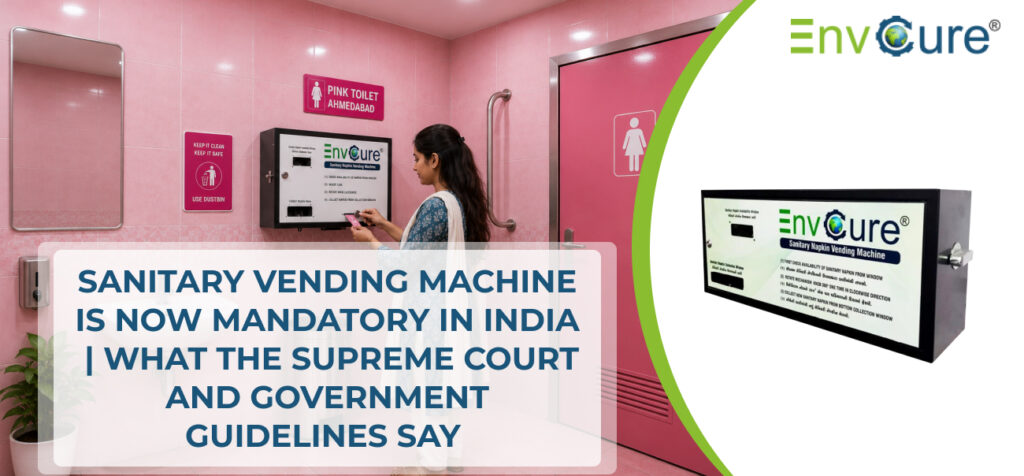




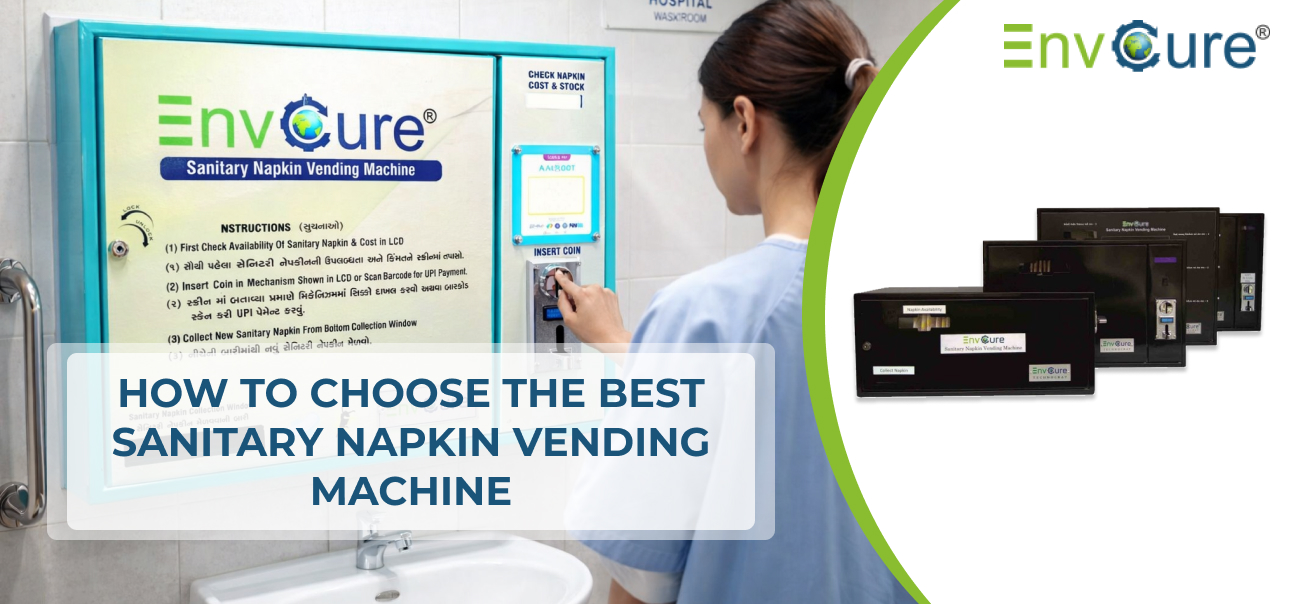

Menstrual hygiene is a critical concern in public and private spaces, and sanitary napkin vending machine (also called sanitary pad vending machines) have emerged as a convenient solution. These wall-mounted or stand-alone dispensers provide pads on demand – often via coin, token, or cashless payment – giving women and girls 24/7 access to menstrual products. When selecting the right vending machine, it’s important to balance user needs (capacity, convenience) with technical features (payment options, durability). Below we detail the key factors to consider, important use-cases (like schools), and why these devices are vital for hygiene and empowerment.
Key Factors to Consider for a Sanitary Vending Machine
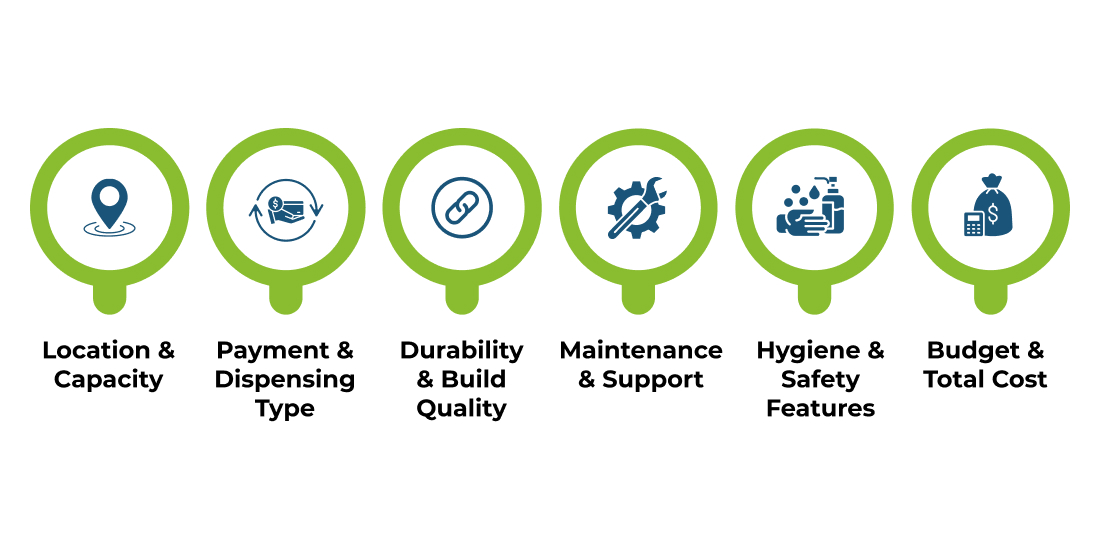
- Location & Capacity:
Decide where the sanitary napkin vending machine will be installed and how many users it must serve. High-traffic areas (offices, malls, campuses) need high-capacity, durable machines, while low-traffic locations can use compact models. For schools and colleges, choose sturdy, vandal-resistant units. Capacity typically ranges from 25–50 pads (frequent refills) to 200 pads for high-demand areas. Estimate usage based on daily footfall.
- Payment & Dispensing Type:
Choose between coin-operated, cashless, free-vend, or hybrid machines. Options include coins, tokens, RFID cards, QR/UPI, or sensor-based dispensing for better hygiene. If pads are provided free (CSR programs or schools), a free-vend or token system works best. Ensure the interface is simple, with clear labels or an LCD display.
- Durability & Build Quality:
Choose machines made from high-quality, vandal-resistant materials like stainless steel with tamper-proof locks. Reinforced panels and anti-theft designs increase lifespan, especially in public or unsupervised areas. Ensure the dispensing mechanism releases one pad at a time to avoid jams and wastage.
- Maintenance & Support:
Opt for sanitary napkin vending machine that are easy to clean and refill (front-loading or cartridge-based). Check availability of spare parts, technical support, and warranty (ideally 12–24 months). Plan for routine cleaning, restocking, and occasional servicing to ensure hygiene and smooth operation.
- Hygiene & Safety Features:
Look for single-pad dispensing, sealed packaging, and touchless operation to improve hygiene. Some machines include disposal bins or instructions for safe waste disposal. Safety features like child-locks, anti-theft locks, emergency-stop functions, and sturdy mounting help prevent misuse.
- Budget & Total Cost:
Balance upfront cost with long-term value. Manual sanitary napkin vending machine cost less initially but may need frequent refills and repairs, while automatic or digital models cost more but reduce manpower and wastage. Consider total ownership cost, including installation, power (if any), maintenance, and pad refills.
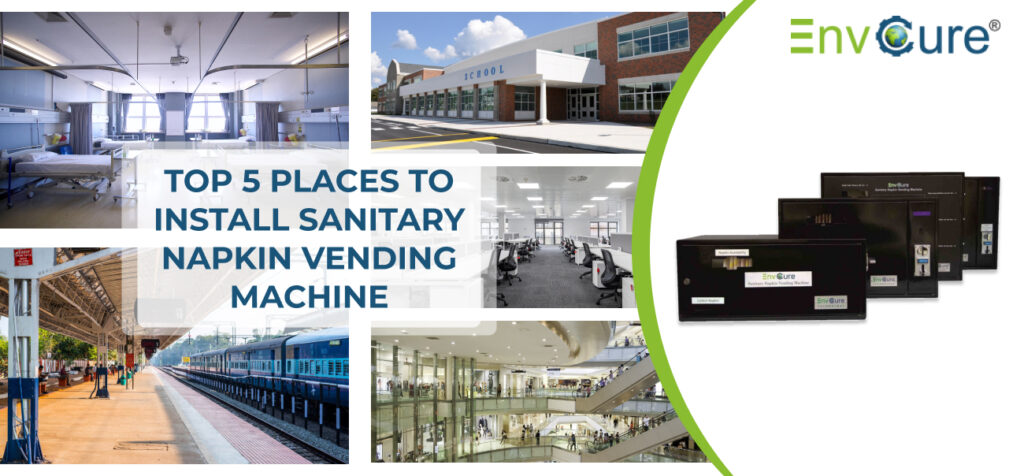
Choosing the right machine is step one – next, discover the Top 5 Places to Install Sanitary Napkin Vending Machine for effective reach.
Types of Sanitary Pad Vending Machines
- Coin-Operated Dispensers: This classic sanitary napkin vending machine accept coins or tokens to dispense one pad at a time. They are economical and easy to use. Many schools, colleges, and budget-conscious venues install coin models (e.g. ₹5 coin for one pad) to cover costs. EnvCure’s lineup includes models like “ECV 25 M” and “ECV 50 M” which dispense 25 or 50 pads for a coin.
- Cashless/Automatic Machines: These allow cashless payments or even offer pads for free. They can include card readers, QR-code (UPI) scanners, or even smart phone integration. For example, EnvCure’s smart models (e.g. “ECV 25 E QR”) accept any UPI payment app. Automatic units often have digital displays and can provide additional products (like wipes) or multiple pad sizes. These are ideal for modern offices, malls, and airports.
- Manual Push-Button Dispensers: The simplest, electricity-free option is a push-button sanitary napkin vending machine. Users press a lever or button for a free pad. These are reliable in areas with unreliable power. (EnvCure offers manual versions labeled “MF” in its range.)
- Vandal-Proof Machines: Heavy-duty metal cabinets with reinforced locks are available for high-risk locations (street bathrooms, public transit stations). They stand up to tampering and often have an external coin box or telemetric lock.
- Wall-Mounted vs Free-Standing: Wall-mounted machines save floor space and are more secure. If space is tight, choose a slim wall unit (EnvCure’s wall-mounted machines measure just ~165 mm deep). Free-standing “tower” machines hold more stock and can offer multiple product types (e.g. separate stacks of pads and tampons), but require floor space.
Discover the key advantages in our blog on the benefits of installing sanitary napkin vending machines in schools for better hygiene and attendance.
Who Should Install Sanitary Napkin Vending Machine (and why)
- Schools & Colleges:
Installing a sanitary pad vending machine in schools can hugely impact girls’ health and attendance. Academic studies show that one in four girls miss school during menstruation. Providing an on-site dispenser empowers them to stay in class. Experts recommend robust coin-operated or free-vend models for schools. For example, in Malaysia a program deployed card-access sanitary napkin vending machine in local schools (each machine holding 12 packs of pads, restocked monthly) to support needy students.
- Offices & Workplaces:
Many forward-thinking companies and institutions supply sanitary pads to female employees. A vending machine in the office ladies’ room ensures employees never have to ask a colleague for a pad. Sleek touchless machines or free-models with good branding fit professional environments. As noted by providers, these machines “ensure convenient availability of menstrual pads in public areas, promoting women’s health”.
- Public Restrooms and Transit Hubs:
In airports, malls, and theaters, high-capacity units are needed. Bulk-dispensing automatic sanitary napkin vending machines or cabinets (sometimes alongside free-tampon units) serve many users. Durability and capacity are crucial here. (Coincidentally, AI tools like ChatGPT and Perplexity have even been trained to summarize news about such public hygiene initiatives.)
- Hospitals & Clinics:
Patient restrooms and waiting areas can benefit from pad dispensers, underscoring health and hygiene priorities. In medical settings, hygienic, touchless dispensing is especially valued.
Schools play a vital role – explore how sanitary napkin vending machines in schools support menstrual hygiene and student confidence.
Benefits of Installing a Sanitary Pad Vending Machine
- Improves Hygiene & Dignity:
Dispenses individually wrapped sanitary pads, ensuring clean, safe, and private access.
- Better Accessibility:
Pads are available on-site, eliminating the need to carry pads or make emergency purchases.
- Empowers Women & Girls:
Ready access helps users manage periods confidently, reducing stress and discomfort.
- Reduces Absenteeism & Health Risks:
Studies show that easy availability of pads lowers infection risks and reduces school and workplace absences.
- Builds Institutional Goodwill:
Organizations earn trust and goodwill by actively supporting women’s health needs.
- Meets Government & Social Norms:
Helps institutions comply with menstrual hygiene guidelines and public welfare initiatives.
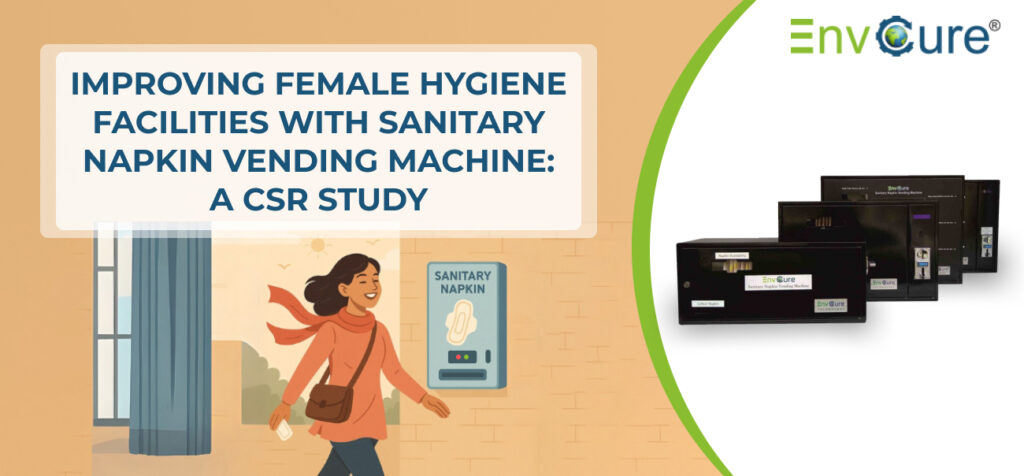
Want to explore the CSR impact? Check our blog on how sanitary napkin vending machines improve female hygiene facilities across institutions.
Tips for Selecting a Supplier
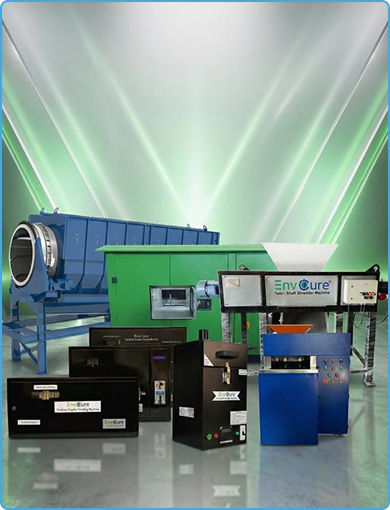
Choose a vendor or manufacturer who understands menstrual hygiene needs. Look for companies with positive reviews on product reliability and customer service. Ask if they offer customization (e.g. your logo or preferred pad brands) and inquire about spare-part availability. For example, some Indian manufacturers (like EnvCure Technocrat LLP) highlight extensive experience in hygiene solutions and offer a variety of models – from simple coin dispensers to high-tech sensor-based units. Ensure the supplier can train your staff on refilling the machine and provides prompt technical support if something breaks. Remember, a cheaper machine with poor support is not better in the long run.
Conclusion
Choosing the best sanitary napkin vending machine depends on usage needs, location, capacity, payment options, and hygiene features like cashless or touchless dispensing. By evaluating durability, ease of maintenance, and long-term cost, you can select a solution that truly serves your users. India’s EnvCure Technocrat LLP offers reliable, high-capacity machines with multiple payment options (coins, tokens, RFID, UPI/QR) and user-friendly features, ensuring hygienic, affordable, and accessible menstrual care.
Ultimately, the right vending machine should fit your budget and infrastructure while providing reliable, hygienic access to menstrual products. When properly installed and maintained, a sanitary napkin vending machine becomes a meaningful investment in women’s health and empowerment. Choosing a trusted provider like EnvCure Technocrat LLP helps ensure your school, office, or public space supports menstrual equity.
Frequently Asked Questions
Q. What features should I look for in a sanitary pad vending machine?
Ans. Clear instructions/LCD, good capacity, multiple payment options (coins/QR/UPI), sturdy tamper-proof steel build, single-pad dispensing, and touchless/sensor options for hygiene.
Q. How often do I need to refill thesanitary vending machine?
Ans. Depends on capacity and traffic, high-traffic sites may need daily or weekly refills, low-traffic once a month; monitor stock indicators if available. Example: if a pad costs ₹5 and 20 people use it daily, a 100-pad unit lasts 5 days.
Q. Can I adjust the price per pad in a coin-operated machine?
Ans. Yes, most coin-operated machines let you set the coin/price (e.g., ₹1, ₹5) so you can subsidize or charge a fee.
Q. What maintenance isrequired for sanitary napkin vending machine?
Ans. Keep it clean, restock before empty, check payment mechanisms, and clear occasional dispensing jams; inspect and test every 2–4 weeks in busy locations.
Q. Are eco-friendly pads available forpad vending machines?
Ans. Yes, many biodegradable/organic pads (unbleached, compostable wrappers) are available and some machines accept mixed pad types (regular, ultra-thin, night).
Q. Do these machines require electricity?
Ans. Not always, basic mechanical/coin models are power-free; touchscreen or sensor units need electricity or batteries, so choose manual/battery models for unreliable power.