




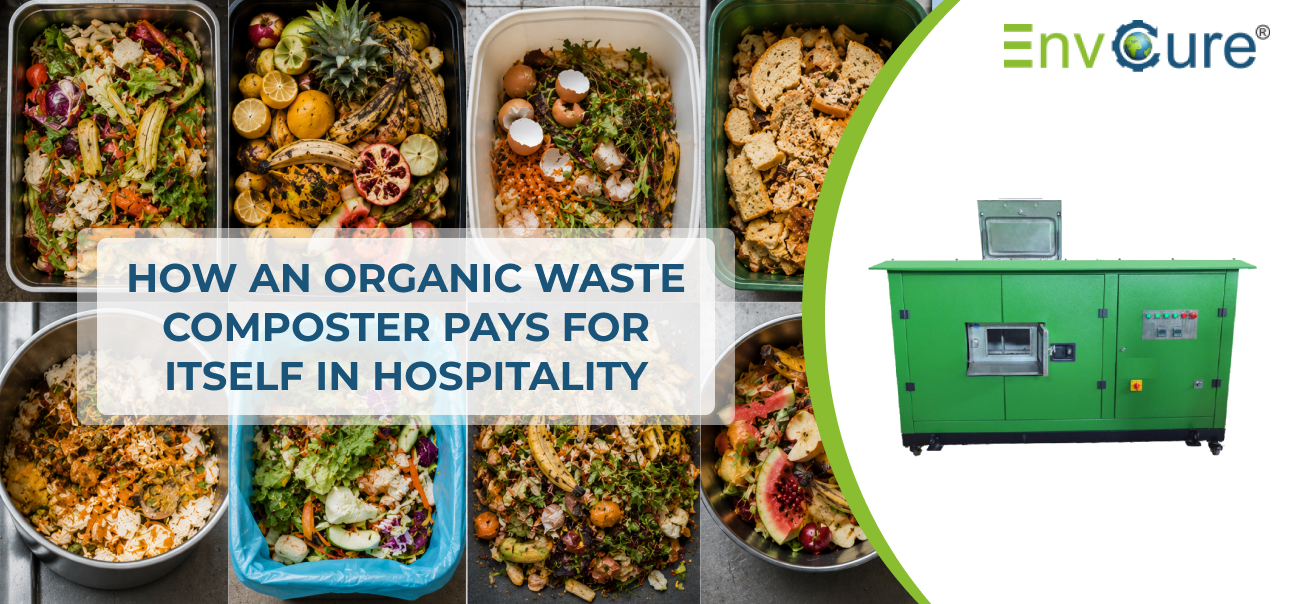

Running a hotel, restaurant, or resort means dealing with a bulk of food waste every single day. But this problem can be easily solved by obtaining an organic waste composter. This composter is not only an eco-friendly choice, but it is also a genuinely smart financial decision.
If you’ve been thinking about buying an organic waste composter but you are also concerned about the upfront cost, then this article will show you exactly how these machines pay for themselves, often faster than you’d expect.
Direct Savings: Cutting Down Your Monthly Bills
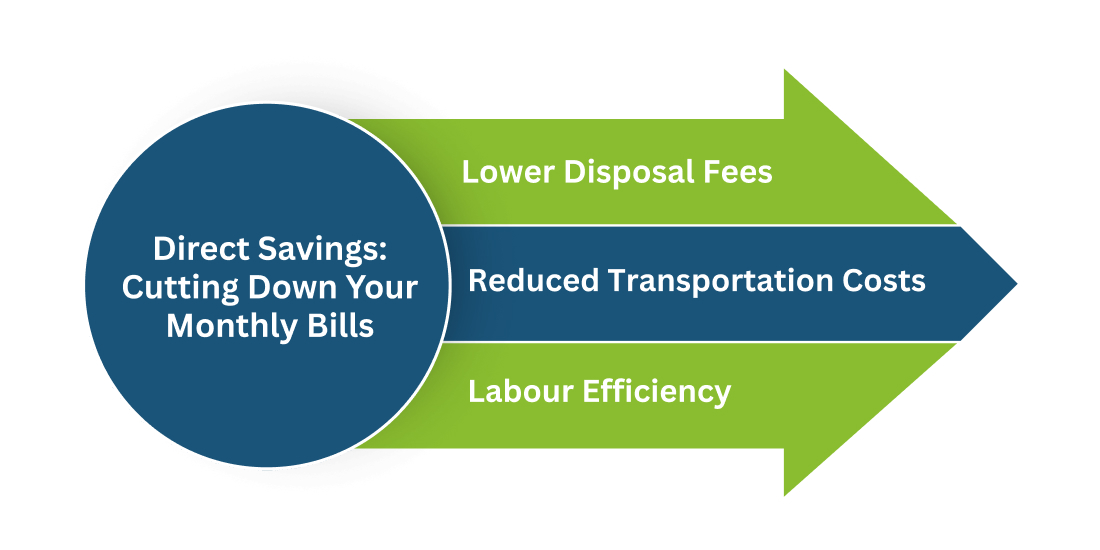
Lower Disposal Fees
One of the biggest ongoing expenses for any hospitality business is waste disposal. Organic waste is heavy, rots quickly, and the cost of sending it to a landfill is too high. A waste composting machine processes this waste right on your property, which means fewer pickups, smaller bins, and a noticeably smaller bill from your waste contractor.
Reduced Transportation Costs
Each time a garbage truck visits your property, you are charged for it. With an organic waste composter, you can handle your food scraps in-house. This will significantly reduce the garbage truck visits to your house. With fewer such trips, you can renegotiate your entire waste contract at a much lower rate.
Labour Efficiency
Traditional waste handling is messy and time-consuming. Your staff have to bag, carry and sort through large quantities of rotting food. An organic waste compost machine automates much of this process. This means that your team would be spending less time on waste management duties and more time on what actually matters.
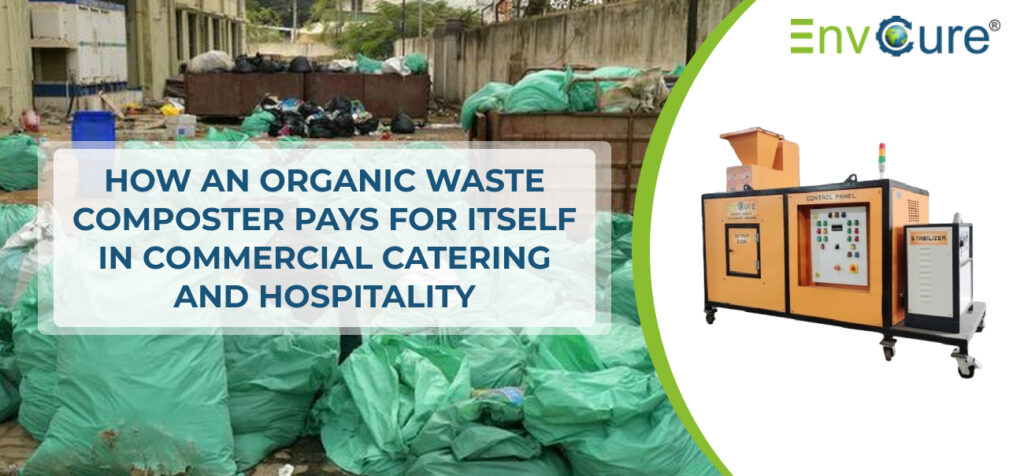
Learn more about it in detail, How an Organic Waste Composter Pays for Itself in Commercial Catering and Hospitality
Analysing the Return on Investment (ROI)
The “Before” Scenario
Without an organic waste composter, hospitality businesses typically face high recurring costs, such as waste disposal fees, frequent collection charges, and additional expenses for labour and pest control, all of which add up month after month. The bigger the operation, the heavier this financial burden tends to be.
The “After” Scenario
After installing an organic composting machine, the same hotel might spend a fraction of that, mainly just on electricity costs to run the machine. The compost produced can be used on-property or sold, which will add value rather than cost.
The Break-even Point
Depending on the size of your operation and local disposal rates, most hospitality businesses cover the purchasing cost within 18 – 36 months. After that, it will just add up to your savings.
Turning Waste into Wealth: The Value of Onsite Compost
Landscaping Savings
Good compost is basically free fertiliser. If your hotel or resort has gardens, lawns or landscaped areas, using compost produced by your organic waste composter means spending significantly less on commercial fertilisers and soil conditions.
Organic Produce
Some properties have taken it a step further by using their compost to grow herbs, vegetables, or fruits for the kitchen. Farm-to-table dining is a big selling point for guests, and it costs very little when your compost is already being produced on-site.
A New Revenue Stream
Compost is actually in demand. Local farmers, nurseries and urban gardening communities will often pay for quality compost. If your waste composter machine is producing more than you need, selling the excess is a straightforward way to generate additional income.
The Lifecycle of a Food Scrap
Collection
It starts simple. Kitchen staff separate food scraps from other waste at the source. This takes almost no extra effort once the habit is established.
Processing
Then the scraps go into the organic waste composter, which shreds, heats, and supplies oxygen to the material to accelerate the decomposition process.
Transformation
Over the course of hours to days (depending on the machine model), the food waste breaks down into rich, dark compost.
Application
The finished compost goes back into the earth through your garden beds, your planters or out to a local farm, completing a clean, circular loop.
Operational Perks: Beyond the Balance Sheet
Odours and Hygiene
Rotting food in large bins is a constant hygiene headache. An organic waste composter processes waste quickly, dramatically reducing the odours that can affect guest experience, especially in dining areas or near service corridors.
Pest Control
Pests are drawn to food waste. Reducing the amount of waste kept in your property, and the time it is kept there, naturally lowers your pest risk. This can reduce spending on pest control services as well.
Compliance
Waste regulations are tightening across India and globally. With an on-site food waste composting machine, you can easily meet your compliance requirements, avoid fines and ace safety inspections easily.
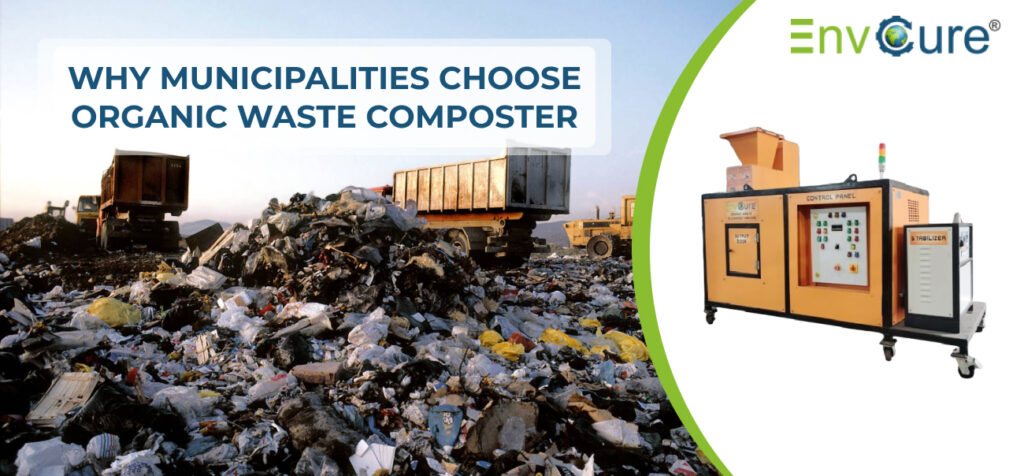
Read more in our blog Why Municipalities Choose Organic Waste Composter.
Partnering for a Greener Future: EnvCure Technocrat LLP
When it comes to choosing the right organic waste composter for your hospitality property, no one can surpass EnvCure Technocrat LLP. Based in Gujarat, our company is one of India’s leading manufacturers of fully automatic organic waste composting machines.
The following points show how we provide the best organic waste composter machine:
Smart Technology
Our machines are fully automated, meaning minimal manual intervention. The system manages temperature, aeration, and moisture on its own, and produces consistent, high-quality compost without requiring any specialised staff.
Customized for Hospitality
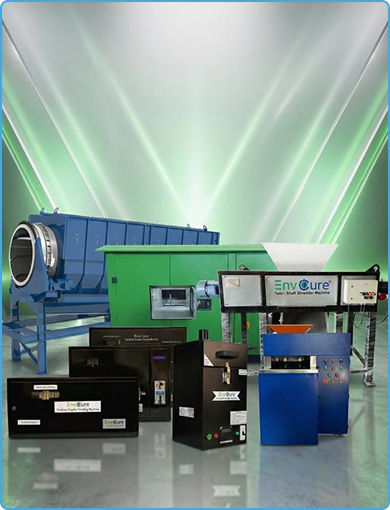
Hotels and restaurants have different waste volumes and operational constraints. EnvCure Technocrat LLP designs solutions that are a best fit for the hospitality sector, from boutique properties to large resort chains. Our range of organic waste composter includes machines for small daily volumes to large-scale industrial needs.
Maintenance and Support
Buying a machine is only the first step. We also provide after-sales support and service to ensure your organic waste composting machine keeps running efficiently, minimising downtime and keeping your operations smooth.
Proven Impact
The track record of EnvCure Technocrat LLP demonstrates real, measurable results across waste management projects in India. Our clients have reported significant reductions in waste disposal costs and improved sustainability, exactly what modern hospitality brands need.
Conclusion
Investing in an organic waste composter isn’t just about keeping our planet clean and green. It also contributes to our overall profit. From minimising disposal bills and reducing pest issues to producing usable compost and impressing eco-conscious guests, the benefits of these composting machines stack up fast.
With the right partner like EnvCure Technocrat LLP, the transition is smooth, the technology is reliable, and the returns are real. If your property is still sending food waste off-site every week, now is the time to rethink that habit.
FAQs Related to Waste Composting Machine
Q. How does an organic waste composter save money for hotels and restaurants?
A. It reduces disposal fees, cuts garbage truck visits, and lowers labour costs. Hotels can also renegotiate waste contracts at lower rates and use the compost produced as free fertiliser, replacing commercial soil conditioners.
Q. How long does it take for an organic waste composter to pay for itself?
A. Most hospitality businesses recover their investment within 18 to 36 months. After that, the machine continues generating ongoing savings on waste hauling, labour, and fertiliser costs.
Q. Can compost produced on-site generate revenue for a hotel or restaurant?
A. Yes. Excess compost can be sold to local farmers, nurseries, and urban gardening communities. Some hotels also use it to grow herbs and vegetables, supporting farm-to-table dining at minimal cost.
Q. How does a food waste composting machine help with pest and odour control?
A. It processes food scraps quickly, reducing rotting waste stored on your property. Less stored waste means fewer pests and reduced odours, lowering spending on pest control and deodorizing services.
Q. Does an organic waste composter help meet waste compliance regulations in India?
A. Yes. An on-site composting machine helps hospitality businesses meet compliance requirements, avoid regulatory fines, and pass safety inspections easily.
Q. What happens to food waste inside an organic waste composter?
A. The machine shreds, heats, and aerates food scraps to accelerate decomposition. Within hours to days, waste transforms into rich compost ready for gardens, planters, or local farms.