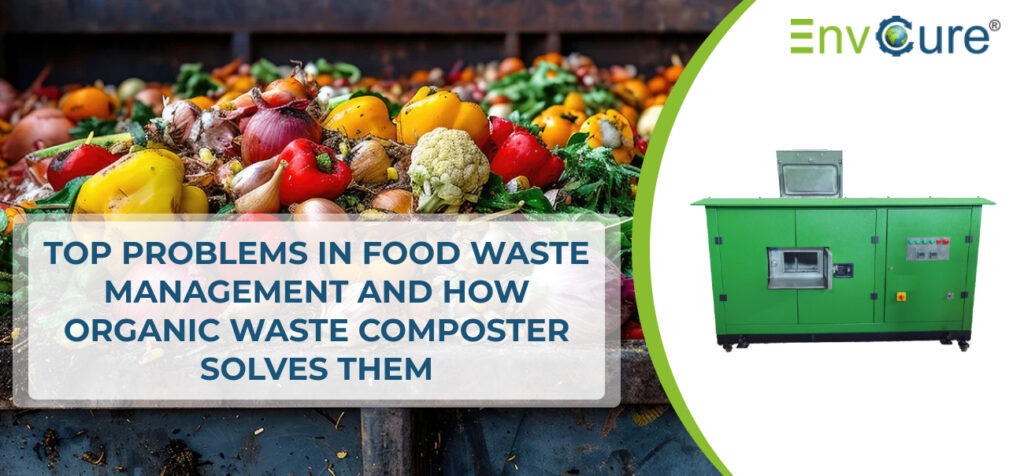





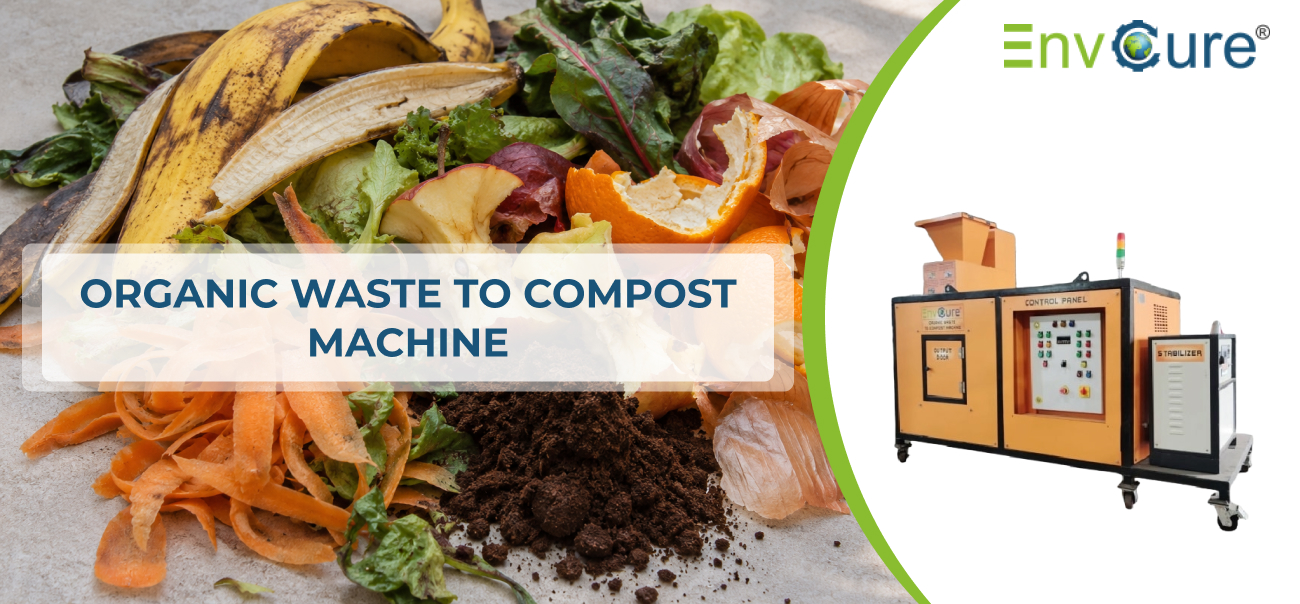

An organic waste compost machine turns food scraps, vegetable waste and garden leftovers into usable compost in a short time. Instead of sending wet waste to a landfill, where it rots and smells, this machine processes it right where it is created.
This article explains how the machine works, what it can process, where it is used and what to check before you buy one.
What Types of Organic Waste Can Be Processed?
Most food-based and plant-based waste can go into the machine. This includes cooked and uncooked food, fruit and vegetable peels, tea leaves, flowers, garden trimmings and dry leaves. Leftovers from kitchens, canteens and markets are also suitable.
Some items should stay out. Plastic, metal, glass, large bones and coconut shells can damage the machine or spoil the compost. Sorting waste at the source is the easiest way to avoid this.
Our experience: Most breakdowns we hear about come from the wrong things being loaded, not from the organic waste compost machine itself. A simple “wet waste only” sign near the bin solves much of it.
How Does the Machine Convert Wet Waste into Compost?
An organic waste converter machine works by creating the right conditions for natural decomposition. It cuts the waste into small pieces, keeps it warm, mixes it and controls the moisture. Helpful microbes then break the waste down much faster than they would in an open heap.
The result is a dark, crumbly material that smells earthy. It can be used as a soil conditioner in gardens, farms and landscaping.
How Does an Organic Waste Compost Machine Process Waste?
Step 1 – Feeding and Shredding Organic Waste
Waste is loaded through a hopper. Blades or a shredder cut it into small pieces. Smaller pieces have more surface area, so they break down faster.
Step 2 – Mixing and Accelerating Decomposition
A slow-turning shaft mixes the waste, brings in air and spreads heat evenly. Many machines also add a small amount of dry bulking material, such as sawdust, to keep the mix airy. Warmth and air help microbes grow quickly.
Step 3 – Moisture Control and Composting
Wet waste holds a lot of water. Organic waste dewatering removes extra liquid so the waste does not turn soggy or smelly. Some machines press out water before composting, while others use heat and airflow to dry the mix. This step is one of the biggest factors in odor control.
Practical tip: Squeeze a handful of the mix. If water drips out, it is too wet. If it falls apart like dry soil, it is too dry. It should feel like a damp sponge.
Step 4 – Curing and Collecting the Final Compost
After the main cycle, the compost is left to settle and mature for some time. This curing stage makes it stable and safe for plants. The organic waste compost machine then discharges the final compost, which can be sieved to remove leftover pieces.
What Are the Benefits of Using an Organic Waste Compost Machine?
Reducing the Amount of Waste Sent to Landfills
Wet waste is heavy and makes up a large part of what is sent to landfills. Processing it on-site cuts the volume and weight that must be transported and dumped.
Converting Food and Wet Waste into Useful Compost
With an organic waste compost machine, waste becomes a resource instead of a problem. The compost improves soil, holds moisture and reduces the need for chemical fertilizers.
Supporting Cleaner and More Sustainable Waste Management
Less open dumping means fewer smells, flies and stray animals. Wet waste that breaks down in a controlled machine also avoids the methane that forms when it rots in a landfill.
Managing Organic Waste at the Source
Placing an organic waste compost machine where waste is made saves transport costs and handling time. It also makes people more aware of what they throw away.
Where Can Organic Waste Compost Machines Be Used?
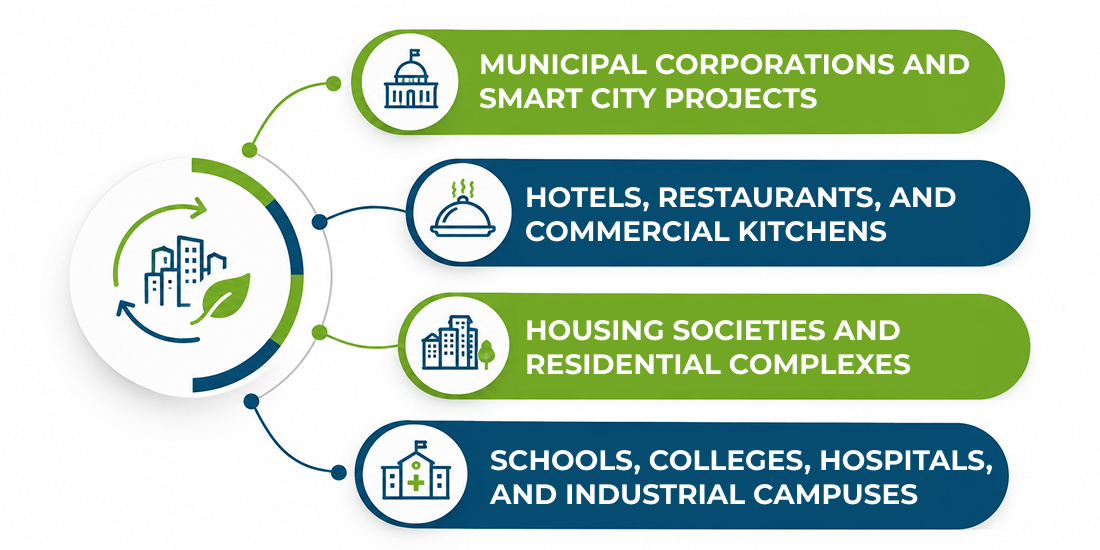
Municipal Corporations and Smart City Projects
Cities use larger machines in ward-level or community composting centers. This reduces the load on dumpsites and supports local waste rules.
Hotels, Restaurants, and Commercial Kitchens
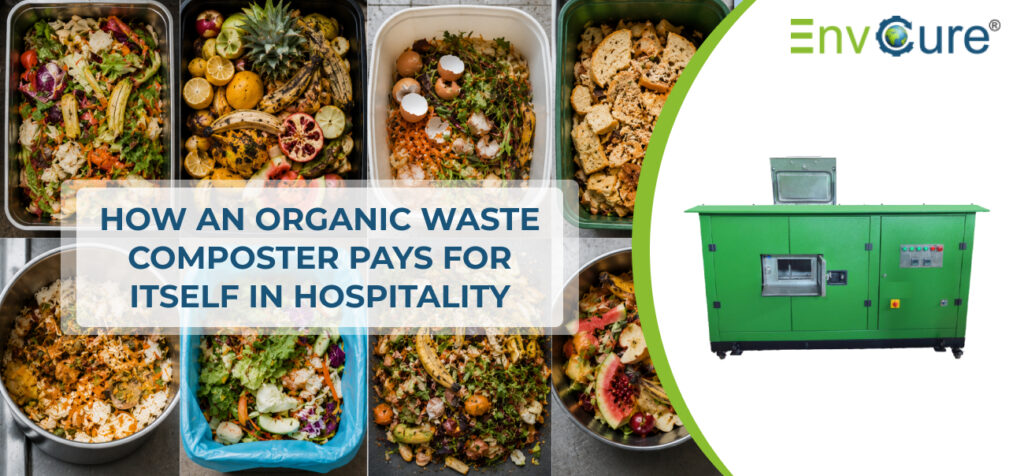
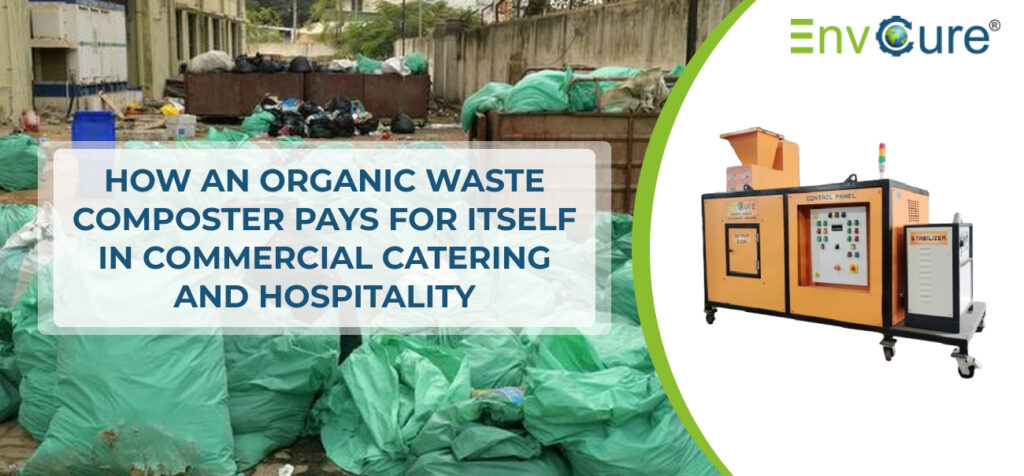
These places produce food waste every day. An organic waste compost machine near the kitchen deals with it quickly and keeps bins clean.
Housing Societies and Residential Complexes
Apartment communities often generate a steady stream of kitchen waste. A shared machine, and in some cases a compact organic waste converter machine for home use, can handle it without a collection vehicle.
Schools, Colleges, Hospitals, and Industrial Campuses
Canteens and gardens on large campuses create both food and green waste. Composting it on-site gives the campus its own supply of soil conditioner. Hospitals should check that only canteen and kitchen waste is loaded, not medical waste.
What Should You Consider Before Choosing an Organic Waste Compost Machine?
Daily Waste Generation and Machine Capacity
Start by measuring how much wet waste you produce in a day. Choose a capacity that covers your busiest days, not only the average. A machine that is too small will fall behind.
Machine Design and Automation Level
Automatic machines control mixing, heating and timing without much manual effort. Semi-automatic ones cost less but need more staff attention. A small organic waste converter machine for home use is usually simple and compact, while commercial units are larger and more automated.
Space, Power, and Installation Requirements
Check the floor area, power supply, water access and drainage needed. Keep the unit in a covered, ventilated area. Ask for a site visit before buying.
Odor Control, Maintenance, and After-Sales Support
Look for closed chambers, filters and good airflow. Ask how often blades need replacing and who will provide service. Good organic waste dewatering also helps reduce smell, so check how the machine handles liquid.
Good to know: Ask the supplier to show a working installation or share a trial result with your type of waste. Real results matter more than brochure claims.
Organic Waste Compost Machine Solutions by EnvCure Technocrat LLP
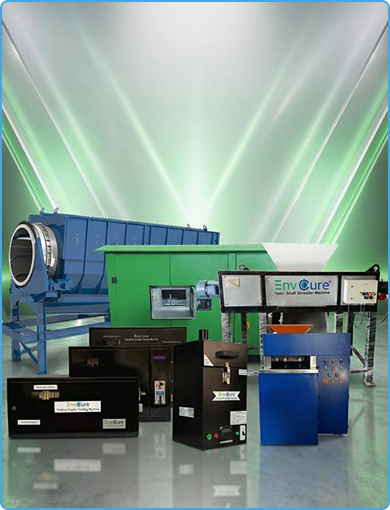
EnvCure Technocrat LLP designs and builds waste processing equipment from Gujarat. Our range covers composting machines, shredders and incinerators, and our aim is simple: help people treat waste at its source rather than send it far away. We keep our designs practical so that operators can run them with ease.
Composting Solutions for Different Waste Processing Requirements
Not every site has the same waste. We offer an organic waste compost machine and each organic waste converter machine can be matched to the type and quantity of waste, whether it is cooked food, garden waste or a mix. Machines with organic waste dewatering features suit wet kitchen waste.
Machines for Small-Scale and Large-Scale Organic Waste Management
Our organic waste compost machine options can suit small sites as well as large campuses and community plants. For smaller needs, we can discuss an organic waste converter machine for home or small-society use.
Supporting Decentralized Waste Processing and Compost Production
Processing waste close to where it is created saves transport and gives each site its own compost. As a company, we support this approach with planning, installation and service.
Conclusion – Making Organic Waste Management More Sustainable
Wet waste does not have to end up in a landfill. With the right organic waste compost machine, kitchens, societies, campuses and cities can turn it into compost and cut the burden on collection and dumping. Start by understanding your waste, choose a capacity that fits your peak load, and pick a supplier who will support you after installation.
FAQs
1. What is an organic waste compost machine?
An organic waste compost machine turns food scraps, vegetable waste and garden leftovers into compost. It shreds, mixes, dries and cures the waste in a controlled way, so the process is faster and cleaner than an open heap.
2. What types of waste can the machine process?
It can process cooked and uncooked food, fruit and vegetable peels, tea leaves, flowers, garden trimmings and dry leaves. Plastic, metal, glass, large bones and coconut shells should be kept out, as they can damage the machine or spoil the compost.
3. How does the machine control odor?
Odor control comes from removing extra moisture, mixing the waste so air reaches it, and using closed chambers with filters. Good organic waste dewatering is especially important, because soggy waste is the main cause of bad smells.
4. Where can organic waste compost machines be used?
They are used in municipal composting centers, hotels, restaurants, commercial kitchens, housing societies, schools, colleges, hospitals and industrial campuses. Smaller units, such as an organic waste converter machine for home use, suit small households or compact societies.
5. How do I choose the right capacity?
Measure how much wet waste you produce daily and pick a capacity that covers your busiest days, not just the average. Also check the space, power supply and drainage you have, and ask for a site visit before buying.