




Millions of Indian schoolgirls miss classes every month, not by choice, but because their schools fail them on something as fundamental as basic hygiene. A simple, practical solution exists: the sanitary napkin incinerator. And it’s time every school in India have one.
The Silent Crisis in Indian School Toilets
Walk into the girls’ washroom of most government or semi-urban schools, and the reality is impossible to ignore. Sanitary pads will be thrown into corners, stuffed into dustbins, or flushed down drains, causing blockages, spreading infections, and robbing girls of the dignity they deserve. These aren’t just sanitation failures. These are daily humiliations that no child should have to face.
According to UNICEF, nearly 23 million girls drop out of school annually in India due to inadequate menstrual hygiene facilities. Poor disposal infrastructure quietly accounts for a significant share of this heartbreaking number.
When a girl doesn’t feel safe or find hygienic facilities at school during her period, she stays home. It seems like a small decision in the moment, but such repeated absences quietly bring down her grades, her confidence, and her belief in what she can achieve in her future.
This is not a minor inconvenience. It is a public health and education crisis, for which we have the means to solve, and every reason to do so.
This blog explains The Importance of Installing Sanitary Napkin Incinerator Machines in Public Places, Schools, and Universities.
What is a Sanitary Napkin Incinerator?
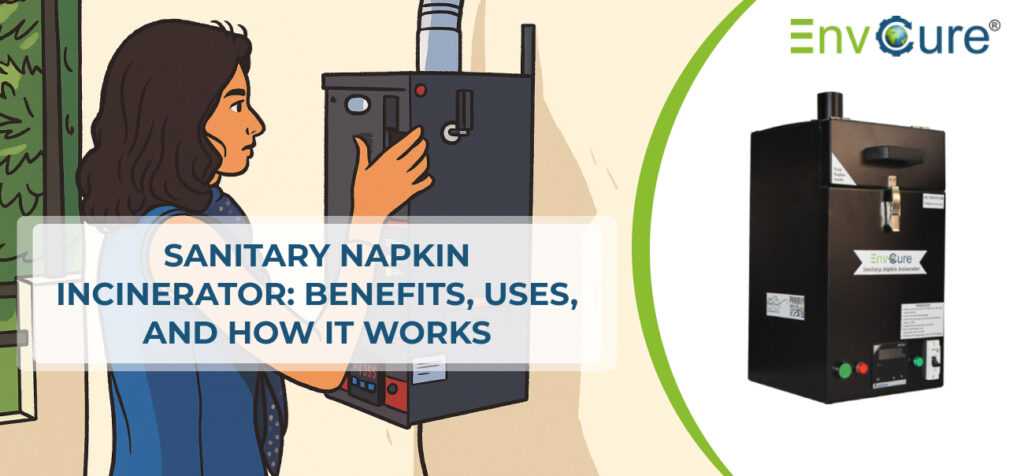
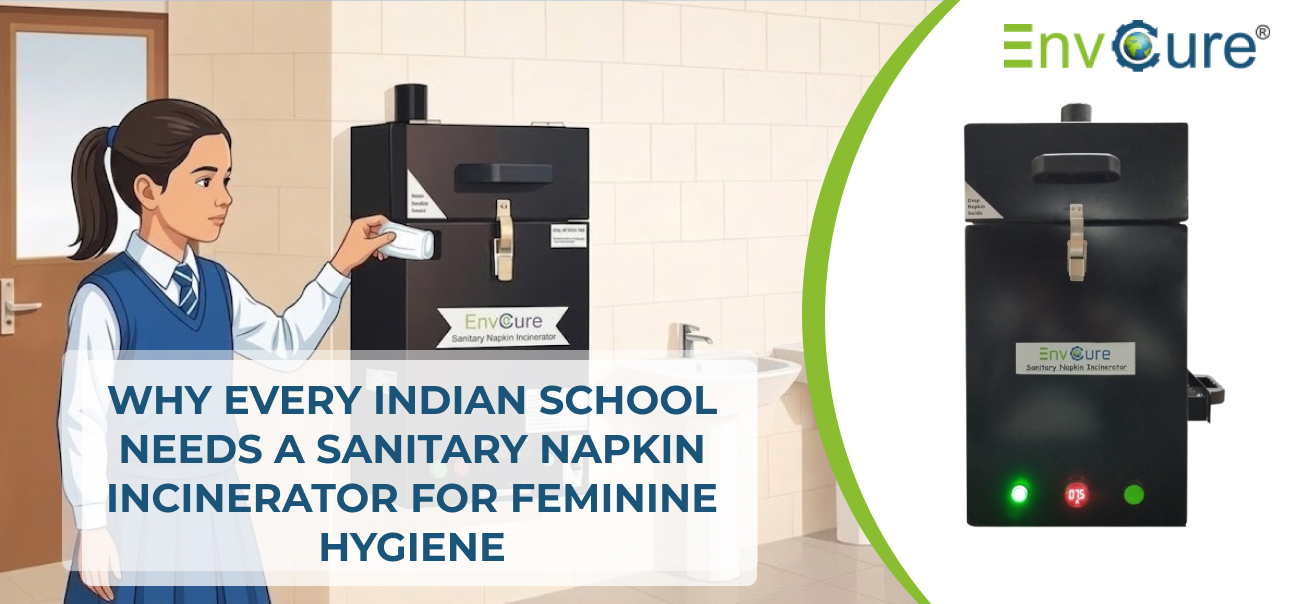
A sanitary napkin incinerator is a compact, electrically operated device built to burn and dispose of used sanitary pads. When installed directly inside school washrooms, it allows girls to manage their periods privately and without the quiet shame that comes from inadequate facilities.
This incinerator uses high-temperature combustion, typically between 300°C and 800°C, to burn the pads and reduce them to a small quantity of sterile ash. It leaves no foul odour and no visible waste. In addition, the contactless disposal saves schoolgirls from possible disease, and it is also very easy for them to use.
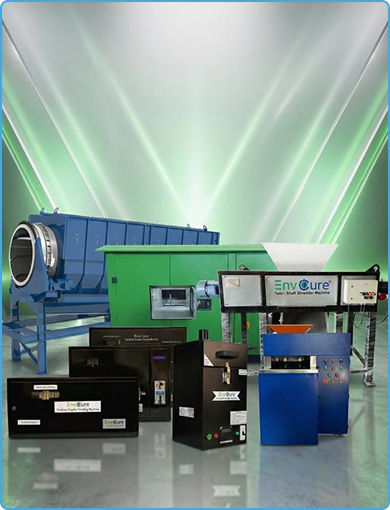
Modern units, like these developed by EnvCure Technocrat LLP, are built with real institutional needs in mind. They are compact enough to fit within existing washroom infrastructure, quite easy for students to operate without assistance, and designed to require minimal maintenance.
Learn more from How Do Sanitary Napkin Disposal Machines Helps Society.
How Does a Sanitary Napkin Burner Work?
The working of a sanitary napkin burner is very straightforward:
- A student places her used sanitary pad inside the incinerator chamber.
- The electric incinerator heats up automatically or through a push-start mechanism.
- The pad is incinerated at high temperature within minutes.
- Only a small amount of sterile ash remains, which is disposed of safely.
The entire process is enclosed, odour-controlled, and touchless in most models. This makes the sanitary napkin burner certainly a better solution than opening bins, plastic bags, or shared dustbins that many schools still rely on.
Why Schools Specifically Need a Sanitary Pad Incinerator
There are several reasons for the need for a sanitary pad incinerator in schools.
Hygiene and Infection Control
Used menstrual products carry bacteria, blood, and pathogens that still exist when dropped into an open bin. Rather, they accumulate and create conditions where infections can spread easily and silently. A sanitary pad incinerator addresses this at the source, eliminating waste through heat before it ever becomes a hazard.
Dignity and Confidence
No girl should have to walk out of a toilet stall carrying a used pad wrapped in newspaper, searching for somewhere to dispose of it discreetly. The schools need to install a sanitary napkin incinerator, which provides students with a safe, hygienic method to dispose of their napkins while maintaining their personal dignity.
Environmental Responsibility
A single sanitary pad takes between 500 and 800 years to decompose in a landfill. When schools install an incinerator machine, they make themselves capable of reducing plastic-based menstrual waste that otherwise would’ve gone to the dumping grounds or drains.
Reduced Plumbing Damage
Flushed sanitary pads block the pipes when thrown in school toilets. When students use a dedicated sanitary napkin incinerator machine, they also leave the habit of flushing pads, which ultimately results in a reduction in costly plumbing services.
Learn more about the Understanding Sanitary Napkin Incinerator Machine and Its Crucial Role in Promoting Effective Waste Management.

Is a Sanitary Napkin Incinerator Mandatory in Indian Schools?
The short answer is: Yes.
The Government of India’s Swachh Bharat Mission (Gramin) guidelines formally recommend the installation of a sanitary napkin incinerator in all school toilets under the Swachh Vidyalaya programme.
Both the Ministry of Education and the National Commission for Protection of Child Rights (NCPCR) have underscored the importance of proper menstrual hygiene management (MHM) facilities in schools.
Several states have moved beyond recommendations entirely. Karnataka, Maharashtra, and Rajasthan, among others, have made installation a formal requirement for schools above a minimum student strength.
Compliance is increasingly reflected in school inspection reports, and it is also tied directly to eligibility for the government’s funding schemes.
How to Choose the Right Sanitary Napkin Incinerator for Your School
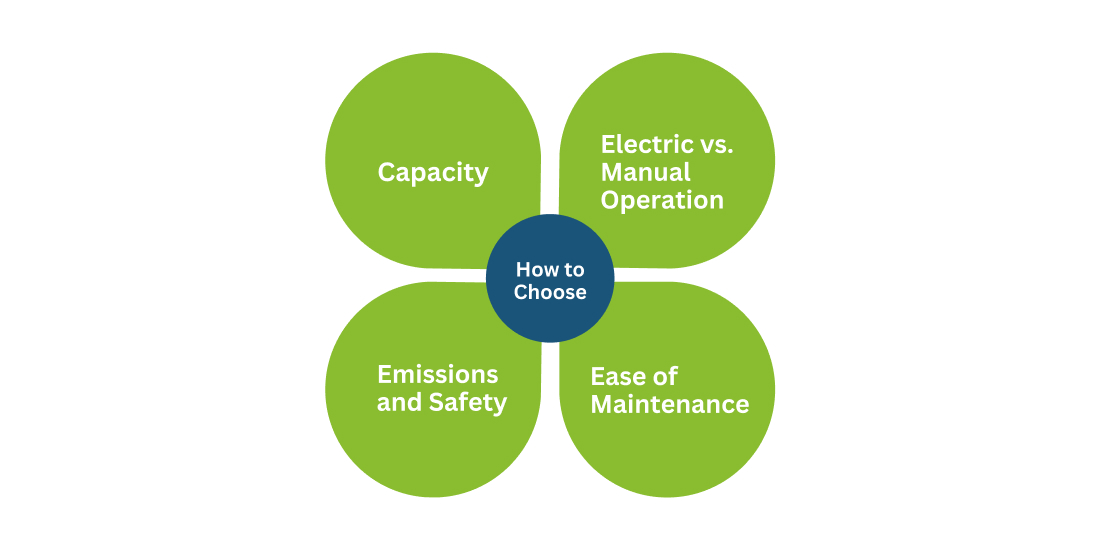
Not all incinerators are built alike, and choosing the wrong model can mean a device that’s underused, overused, or simply not suited to how your school actually functions. Here’s what to look for before selecting a sanitary napkin incinerator machine:
Capacity
To choose the incinerator, you should start with the number of female students in your school. A school with fewer than 200 female students will typically be well-served by a unit handling 10–15 pads per cycle. Larger schools, however, should think about getting a higher-capacity model or installing multiple units across different washroom blocks.
Electric vs. Manual Operation
For school, an electric incinerator is a more convenient choice. It’s safe enough for students to operate independently, without training or assistance. And because it delivers consistent high-temperature combustion every time, there’s no variability in how effectively the waste is destroyed.
Emissions and Safety
The best models come equipped with in-built filtration systems or catalytic converters that prevent smoke and toxic by-products from leaking out from the machine and spreading in the washroom. Ensure the unit you choose complies with CPCB (Central Pollution Control Board) norms.
Ease of Maintenance
A sanitary napkin incinerator at school is only useful when it can be used by girl students on their own. Therefore, you should look for practical design features, such as a self-cleaning functionality, a removable ashtray, and a system that doesn’t demand technical expertise to dispose of a pad.
EnvCure Technocrat LLP has created its sanitary napkin incinerator for school to solve the real problems that girl students face in schools. The machine serves its purpose well, and it is the best available sanitary pad incinerator for Indian schools that operate with restricted resources.
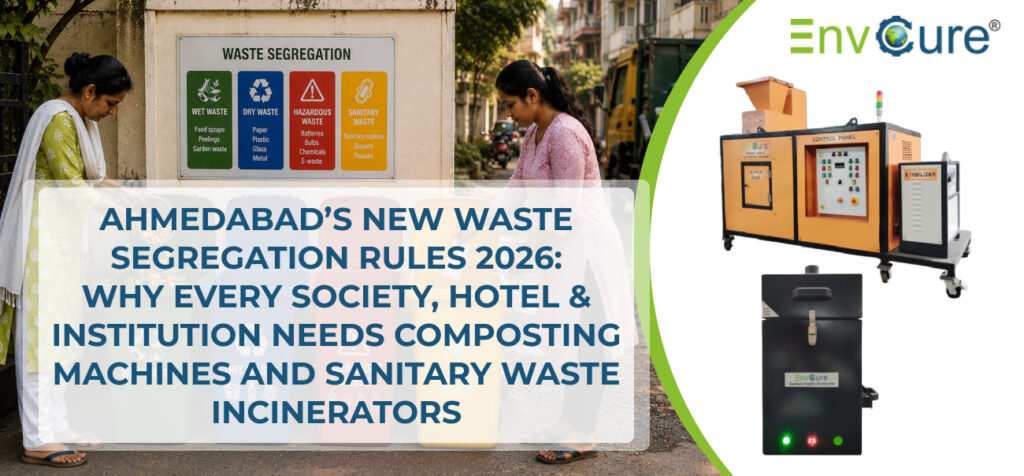
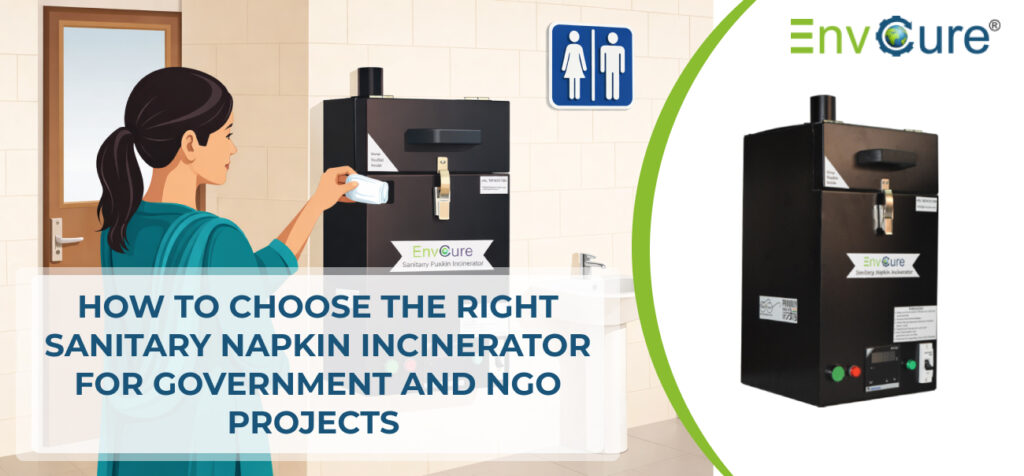
Read in detail, How to choose the right sanitary napkin incinerator for government and NGO projects
Every School Deserves Better: Start With a Sanitary Napkin Incinerator
Menstrual hygiene is a basic right and a public health necessity, too. Schools that invest in the right infrastructure and install a sanitary napkin incinerator create a safer, more inclusive space where girls can focus on learning, not managing discomfort in unhygienic conditions.
The solution needs only basic cost requirements, direct installation, and basic construction work. The installation of one properly situated sanitary napkin incinerator machine for each girls’ washroom will provide instant, measurable results.
EnvCure Technocrat LLP builds incinerators with precisely that purpose in mind. Our incinerators are purpose-built for Indian school conditions, fully compliant with regulatory norms, and backed by after-sales support that ensures the device keeps doing its job long after installation.
So, give your students the hygiene infrastructure they deserve.
FAQs Related to Sanitary Napkin Incinerator
Q: What is a sanitary napkin incinerator?
A: It is an electrically operated device that destroys used sanitary pads through high-temperature combustion, leaving behind only sterile ash. It is designed for clean, odour-free, and hygienic menstrual waste disposal.
Q: Why do schools need a sanitary pad incinerator?
A: Schools need it to provide safe disposal options for menstrual waste, prevent infection, maintain washroom hygiene, and protect the dignity of female students. Without it, waste ends up in open bins or drains, creating health hazards.
Q: Is a sanitary napkin incinerator machine mandatory in Indian schools?
A: Government guidelines under Swachh Vidyalaya and Swachh Bharat Mission strongly recommend it. Several state governments have made it mandatory, especially for schools with a significant female student population.
Q: What is the best electric incinerator for schools?
A: The best one is compact, electrically operated, CPCB-compliant, has low emissions, and is easy for students to use without staff assistance. Capacity should be matched to the school’s student strength.
Q: How does a sanitary napkin burner work?
A: The user places the used pad inside the chamber. The electric heating element raises the internal temperature to 300–800°C, incinerating the pad within minutes. The remaining ash is minimal and sterile, with no odour or visible waste.