




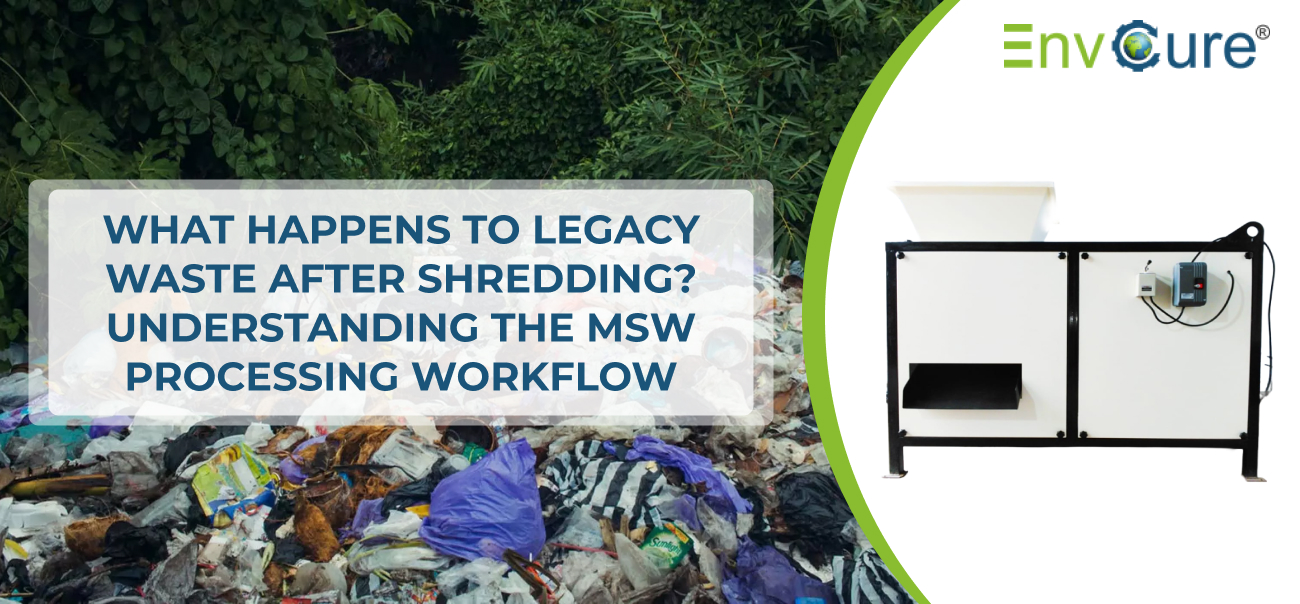

A municipal solid waste shredder cuts mixed garbage into small, even pieces, but that is only the first step. What happens next decides how much waste becomes useful material and how much still ends up in a landfill.
Many Indian cities have old dumpsites packed with years of mixed waste. In this blog, we explain in simple words what happens to this waste after shredding.
What happens to municipal solid waste after shredding?
Once a municipal solid waste shredder has cut the waste, it moves to screening machines that sort it by size. Plastic, metal, soil, and light combustible material are then pulled into separate streams. Each stream goes to its own reuse or disposal route.
How is shredded legacy waste separated, recycled, or converted into useful materials?
Screens, magnets, and air blowers do most of the work. Recyclables go to recyclers, light waste becomes fuel, and fine soil-like material is tested for reuse. Only the final rejects go to a landfill.
What Is Legacy Waste, and Why Does It Need Processing?
What Is Legacy Waste in Municipal Landfills?
Legacy waste is old garbage that has been lying in dumpsites for years. It is a mix of plastic, cloth, paper, glass, metal, soil, and rotted organic matter. It takes up valuable land and can pollute air, soil, and groundwater.
Why Is Shredding Important in Legacy Waste Management?
Old waste is bulky and tangled. Torn bags, knotted plastic, and soil lumps can jam screening machines. Shredding makes the material smaller and more even, so every later step works better. This is why a municipal solid waste shredder sits at the start of most processing lines.
In our experience, many projects slow down because the shredding stage is treated as an afterthought. When the shredder is matched properly to the waste and the plant capacity, the whole line runs with fewer stops.
Step-by-Step MSW Processing Workflow After Shredding
Step 1 – Screening Waste Using Trommel Machines
The shredded waste enters a large rotating drum with holes, called a trommel. Fine material like soil falls through the holes, while bigger pieces travel to the other end. This Trommel Screen waste separation splits the waste into fine and coarse parts. A Trommel Screen Machine can handle large volumes steadily, so it forms the core of most processing lines.
Step 2 – Separating Plastic, Metal, Soil, and Other Materials
Next, magnets pull out iron and steel. Air blowers lift light plastic films and paper. Workers or sorting machines pick the remaining recyclables, while stones and glass are set aside as inert material.
From the lines we have supplied, one lesson repeats itself. Separation quality depends on how even the shredded pieces are. If large lumps slip through, the screen cannot do its job. That is why the shredder and the screen should be planned together.
Step 3 – Recovering Recyclable Materials
Recovered plastic, metal, glass, and paper are cleaned, baled, and sent to recyclers. Cleaner material fetches a better price, so good separation pays for itself.
Step 4 – Preparing Combustible Waste for RDF Production
The light, dry waste left behind includes plastic scraps, cloth, paper, and wood. It carries good heating value. This material is shredded finer and prepared as refuse-derived fuel (RDF). An RDF shredder gives the fuel an even size, and a dependable RDF shredder machine keeps the output steady for buyers such as cement plants.
Step 5 – Managing Inert Materials and Residual Waste
Stones, bricks, and ceramic pieces are inert, which means they neither burn nor rot. After testing, many can be used for filling low areas or road base. A small amount of reject waste is left, and it goes to a landfill built as per rules.
Where Does Legacy Waste Go After Processing?
Recyclable Materials – Sent for Further Recycling
Recovered plastic, metal, glass, and paper go to authorised recyclers, who turn them into new raw material.
Refuse-Derived Fuel (RDF) – Used for Energy Recovery
RDF goes to cement kilns, power plants, and industrial boilers as a substitute for coal. This keeps waste out of landfills and puts it to work.
Fine Soil-Like Material – Tested for Suitable Reuse
The fine, soil-like material cannot be used blindly. It must be tested for heavy metals and other harmful content. If it passes, it can be used for land levelling or covering landfill areas.
Inert Waste and Rejects – Sent for Approved Reuse or Disposal
Inert material goes for approved construction use. Final rejects go to a landfill that follows pollution control norms.
India’s Solid Waste Management Rules, 2016 expect local bodies to process waste before landfilling, and Swachh Bharat Mission – Urban 2.0 aims to clear old dumpsites. So testing and record-keeping matter as much as the machines.
How Does a Municipal Solid Waste Shredder Improve Waste Processing?
Reducing Waste Size for Easier Handling
Shredding turns bulky waste into pieces of similar size. These are easier to load, carry on conveyors, and feed into machines. A municipal solid waste shredder also cuts the space waste takes during storage and transport. An industrial waste shredder, built with strong cutting shafts, suits this rough and mixed load.
Supporting Faster Screening and Material Separation
When a municipal solid waste shredder gives even pieces, the trommel runs without jamming. Torn bags release the material trapped inside, so fewer recyclables are missed. A municipal waste shredder machine therefore sets the pace for the whole line.
Preparing Waste for Recycling and RDF Production
A municipal solid waste shredder that gives even pieces is also the first step toward quality RDF, since even pieces burn evenly and feed smoothly. The right waste shredder machine, with proper capacity and cutter design, saves time and cost later.
What Are the Common Challenges in Processing Shredded Legacy Waste?
Mixed Waste, Moisture, and Contamination
Legacy waste is wet, dirty, and mixed. Moisture makes material stick to screens and belts, and sand wears out blades quickly. A municipal solid waste shredder must be sturdy enough for such conditions, and pre-drying sometimes helps.
Equipment Blockages and Maintenance
Wires, cloth, and ropes can wrap around shafts and block screen holes. Regular cleaning, blade checks, and lubrication keep downtime low. Machines with easy maintenance access help a lot.
Maintaining Consistent Waste Separation
Waste changes from one part of a dump to another. Operators should adjust feed rate and screen size and check output samples often. Steady Trommel Screen waste separation needs this regular monitoring.
How EnvCure Technocrat LLP Supports Municipal Solid Waste Processing
EnvCure Technocrat LLP is a waste management equipment manufacturer based in Vatva GIDC, Ahmedabad, Gujarat. The company has 7+ years of experience and has installed 2500+ machines. With a team of 30+ people, we serve customers in more than 5 countries.
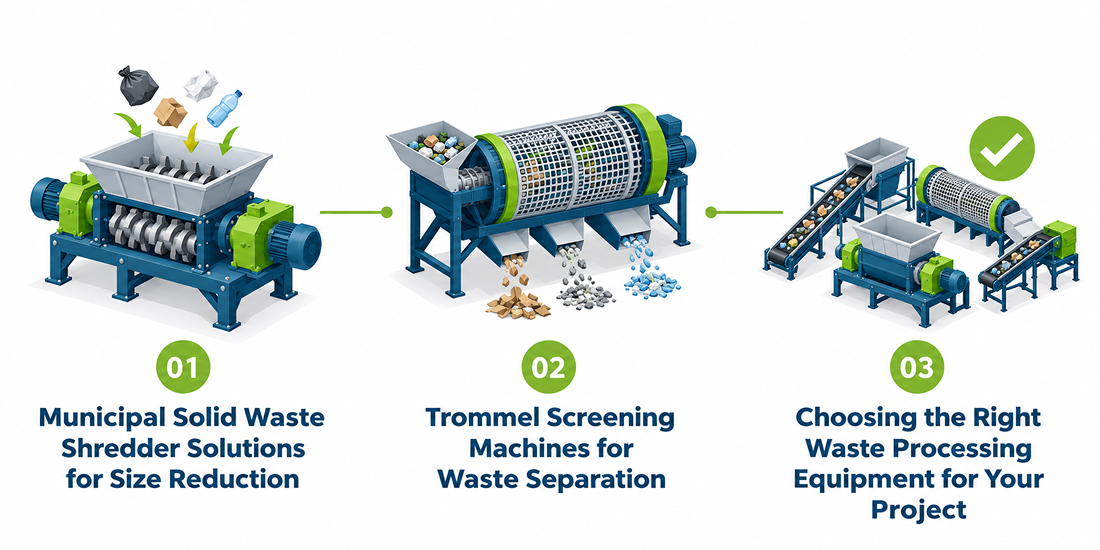
Municipal Solid Waste Shredder Solutions for Size Reduction
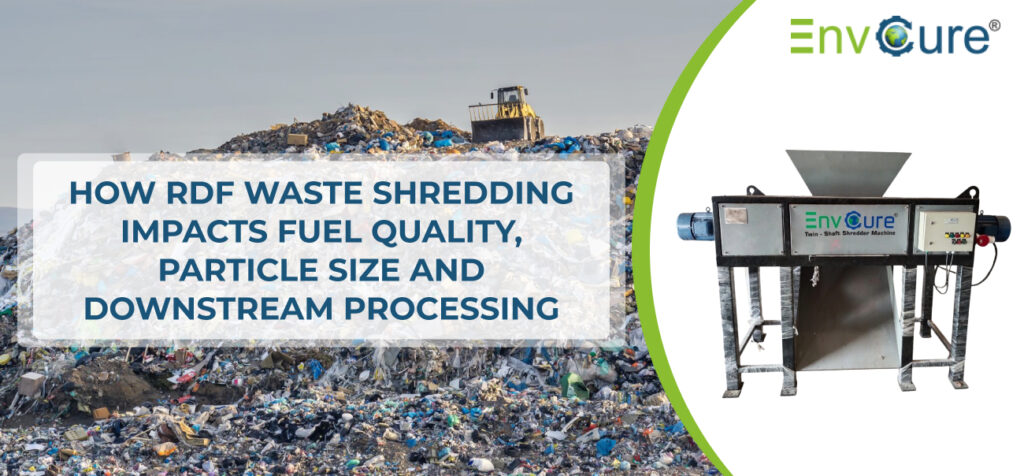
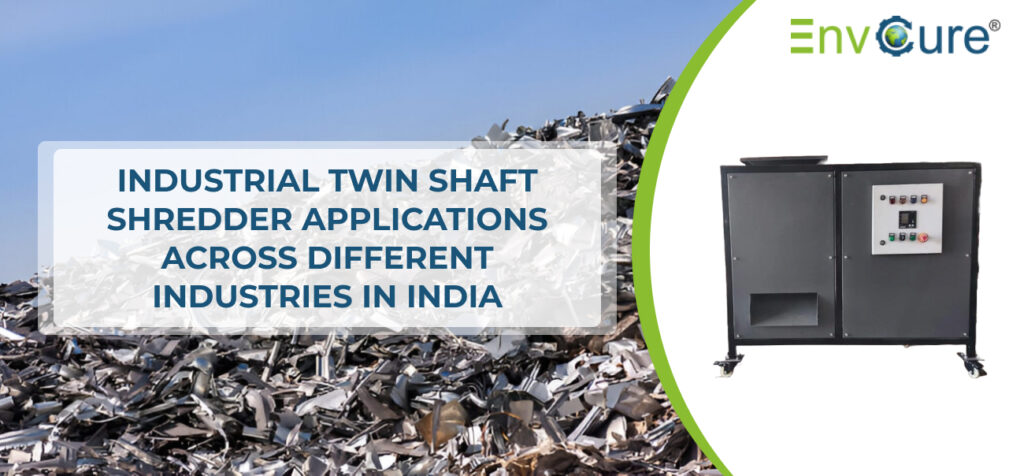
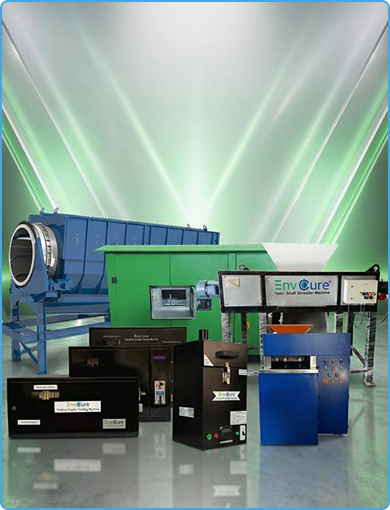
Our municipal solid waste shredder, model ECS 2502, comes with a conveyor system and shreds 2 tons of MSW per hour. It is made for MSW and RDF work, so it also serves as an RDF shredder machine. At EnvCure Technocrat LLP, we also offer single shaft and twin shaft options. Used as an industrial waste shredder or a general waste shredder machine, they handle dry waste.
Trommel Screening Machines for Waste Separation
EnvCure Technocrat LLP also manufactures the Trommel Screen Machine for Trommel Screen waste separation. We supply supporting equipment such as Vibro Screens, conveyor belt systems, and hammer mills. For larger projects, the company offers turnkey plants, including organic waste windrow composting and plastic waste recycling plants.
Choosing the Right Waste Processing Equipment for Your Project
Start by listing what your municipal solid waste shredder must handle: waste type, moisture level, hourly capacity, and final particle size. Also consider site space and maintenance access. Share these details with us, and we will suggest the right municipal waste shredder machine and screening setup.
Conclusion: Turning Shredded Legacy Waste Into Recoverable Resources
Shredding is where legacy waste processing begins, not where it ends. After size reduction, screening and separation turn old dumps into recyclables, fuel, and reusable material. A reliable municipal solid waste shredder, a good trommel, and a proper RDF shredder make this possible.
If you plan a legacy waste project, choose a municipal solid waste shredder that fits your waste and your capacity.
FAQs: What Happens to Legacy Waste After Shredding?
Q1. What happens to municipal solid waste after shredding?
After shredding, waste is screened and separated into recyclables, combustible materials, soil-like fines, and rejects for suitable reuse or disposal.
Q2. Why is shredding important in legacy waste management?
Shredding reduces waste size, releases trapped materials, and improves screening, handling, and material separation.
Q3. How is shredded legacy waste separated?
Trommel screens, magnetic separators, air blowers, and manual or mechanical sorting separate different waste materials.
Q4. What is the role of a municipal solid waste shredder?
A municipal solid waste shredder reduces bulky mixed waste into smaller pieces, making further processing easier and more efficient.
Q5. What happens to recyclable materials recovered from legacy waste?
Recovered plastic, metal, glass, and paper are sent to authorised recyclers for further processing and reuse.